
Two Worlds, One Story
On the Scent of Wood and the Memory of Hands
I grew up in a village, and it gave me a lot. Livestock, a garden, fields. Things that didn’t ask whether I felt like doing them – they simply had to be done. At a time when mobile phones and the internet did not yet exist, it was completely natural to know how to take a scythe, a chisel or a hammer into your hands.
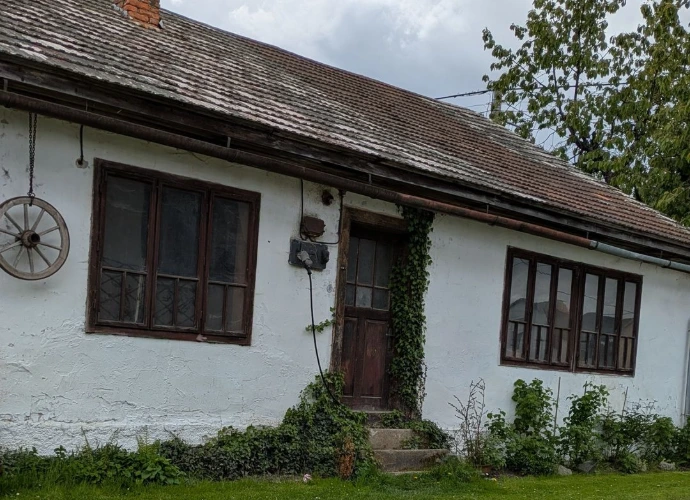
In the yard of my family home, an old carpenter’s workshop still stands today. It was built by my grandfather together with his brother in 1946. A hand workshop, a tool room and a rear machine room made of massive wooden beams, all in one building now covered with ivy.
Inside are machines that have survived generations – a beautiful band saw, a planer, a jointer and a milling machine. In the past, they were driven by a single transmission system with one motor and leather belts; today each machine has its own electric motor. The main shaft, however, has remained as a reminder of the old way of working.

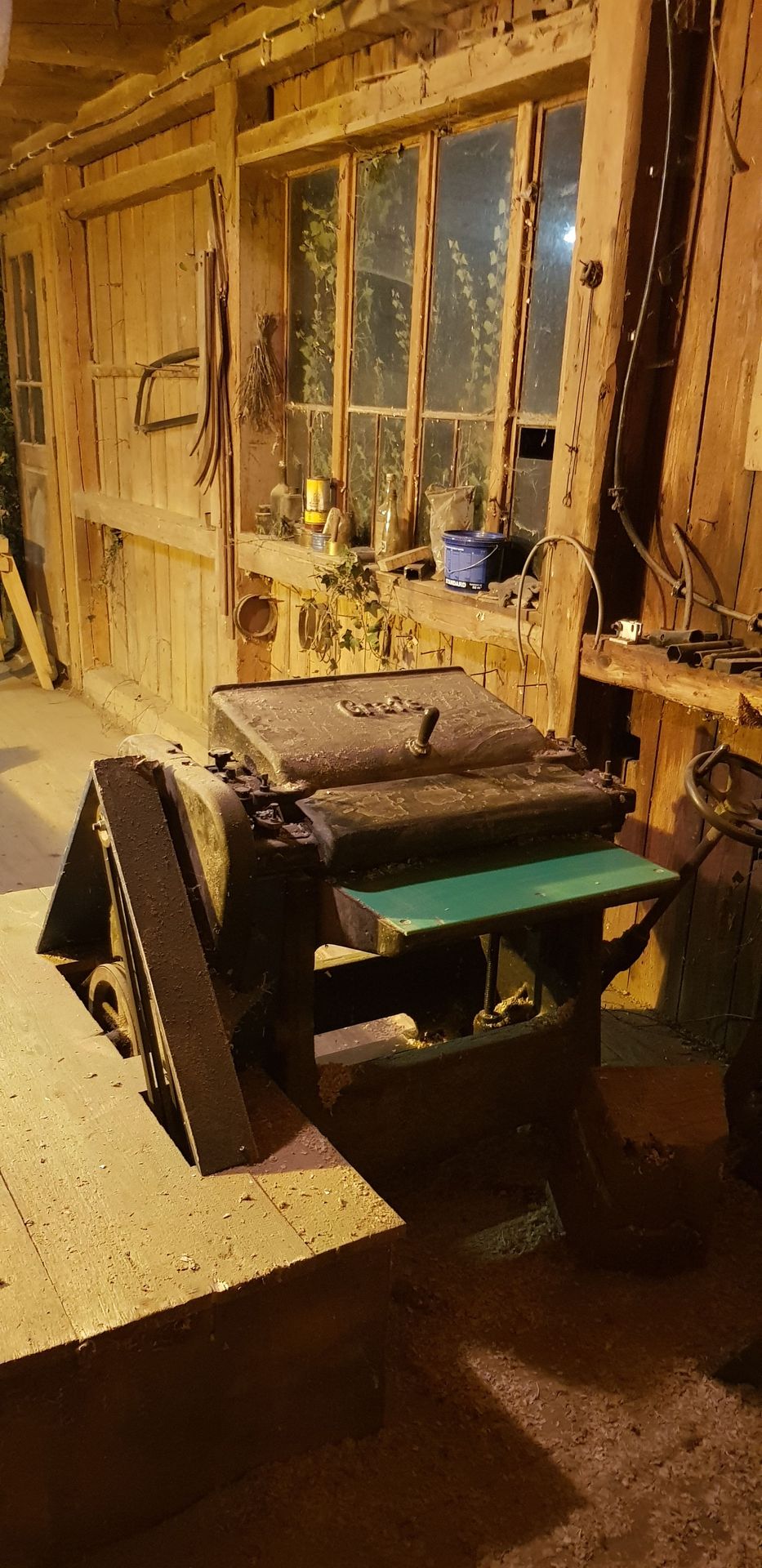

In the hand workshop, the original carpenter’s benches are still in place. It is full of old tools – planes, chisels, saws, drills and various jigs whose purpose is now known only to a few. When you step inside, you can smell the wonderful scent of wood. For me, it is the smell of childhood and at the same time a place where I go to breathe in calm and feel the presence of history.

When the workshop was first established, parts for wagons were made here, especially wheels for local farmers, as well as doors, windows and everything the village needed. In cooperation with the blacksmith or the forester, things were created that served the whole area. This is what the world looked like back then, and it was natural that things were not solved through services, but through relationships.
What fascinates me most today is the way of working. There were no drawings, no manuals, no technological procedures or bills of materials. Everything was in the head and in the hands. And yet things were made with an accuracy almost like serial production. My grandfather could make his own jigs, thanks to which every wheel was the same – not by miracle, but as a result of experience, patience and craftsmanship.
Today we live in an age of mass production, automation and systems that try to capture this experience in data and processes. And that is right – the world has changed. All the more I appreciate that there were once people who could do all this without them. Not because they were against technology, but because they simply did not need it yet.
Even though life took me in a different direction – toward technology, computers and work done more with the mind than with the hands – the workshop and I eventually found our way back to each other. Perhaps a little later than expected, but still. Not as a place of performance, but as a space where one can slow down, focus on a single thing and do it properly.
I did not come with a grand plan or a vision of building something big out of it. I simply began to return in small steps – to fix a workbench, build shelves for tools, tidy up, and make simple things just for the joy of it. Over time, I realized that what draws me to this place is not only its history, but also the way it teaches me patience. That things do not have to be made quickly in order to have value.
Today I do not make large things or produce in series. Rather, I make small objects that have their own story. I have restored an old bench, built a new garden fence, a worktable and cabinets for a children’s room, as well as a scratching post for a cat. Some of these things were made slowly, in the evenings or over weekends.


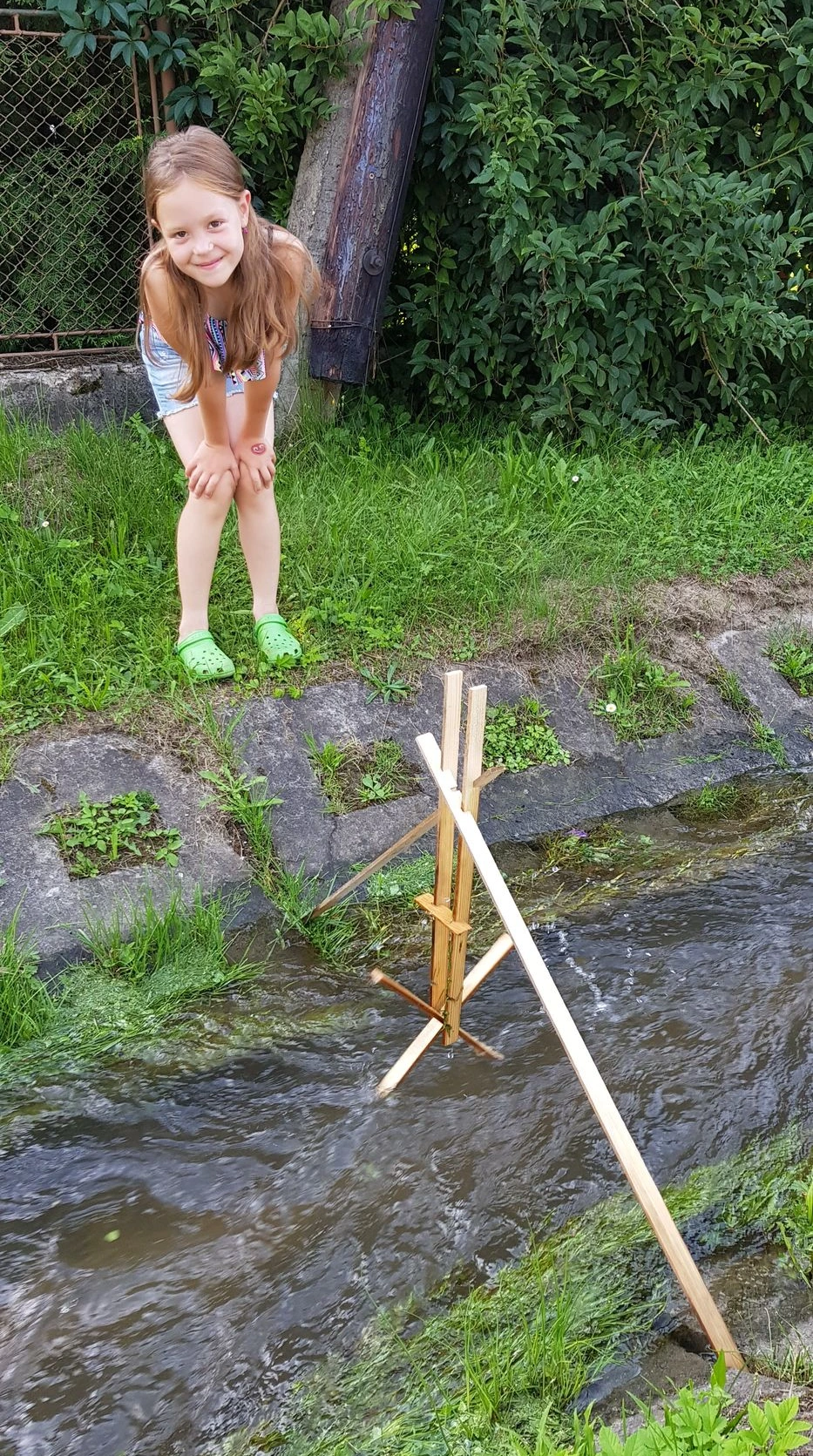
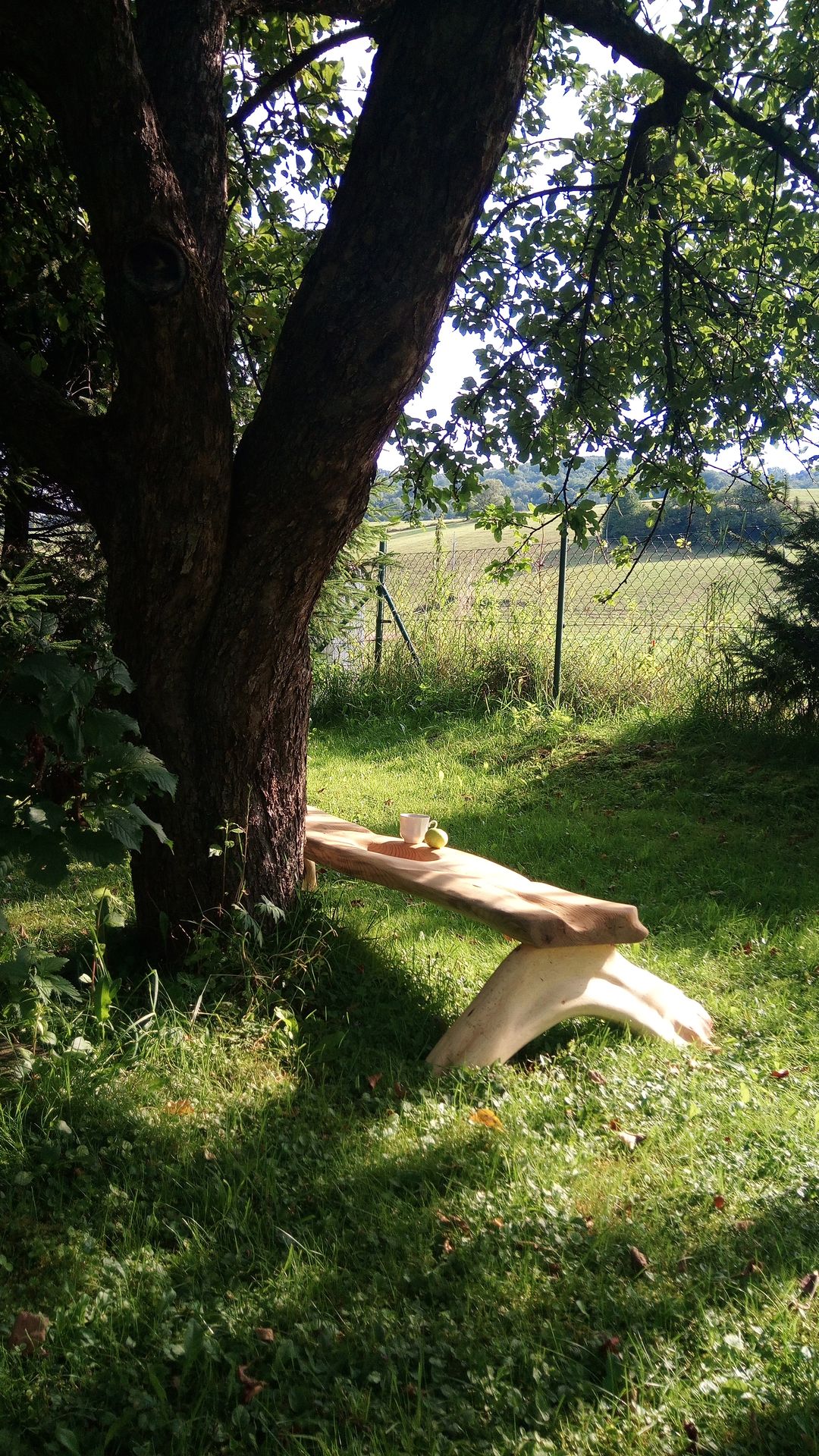
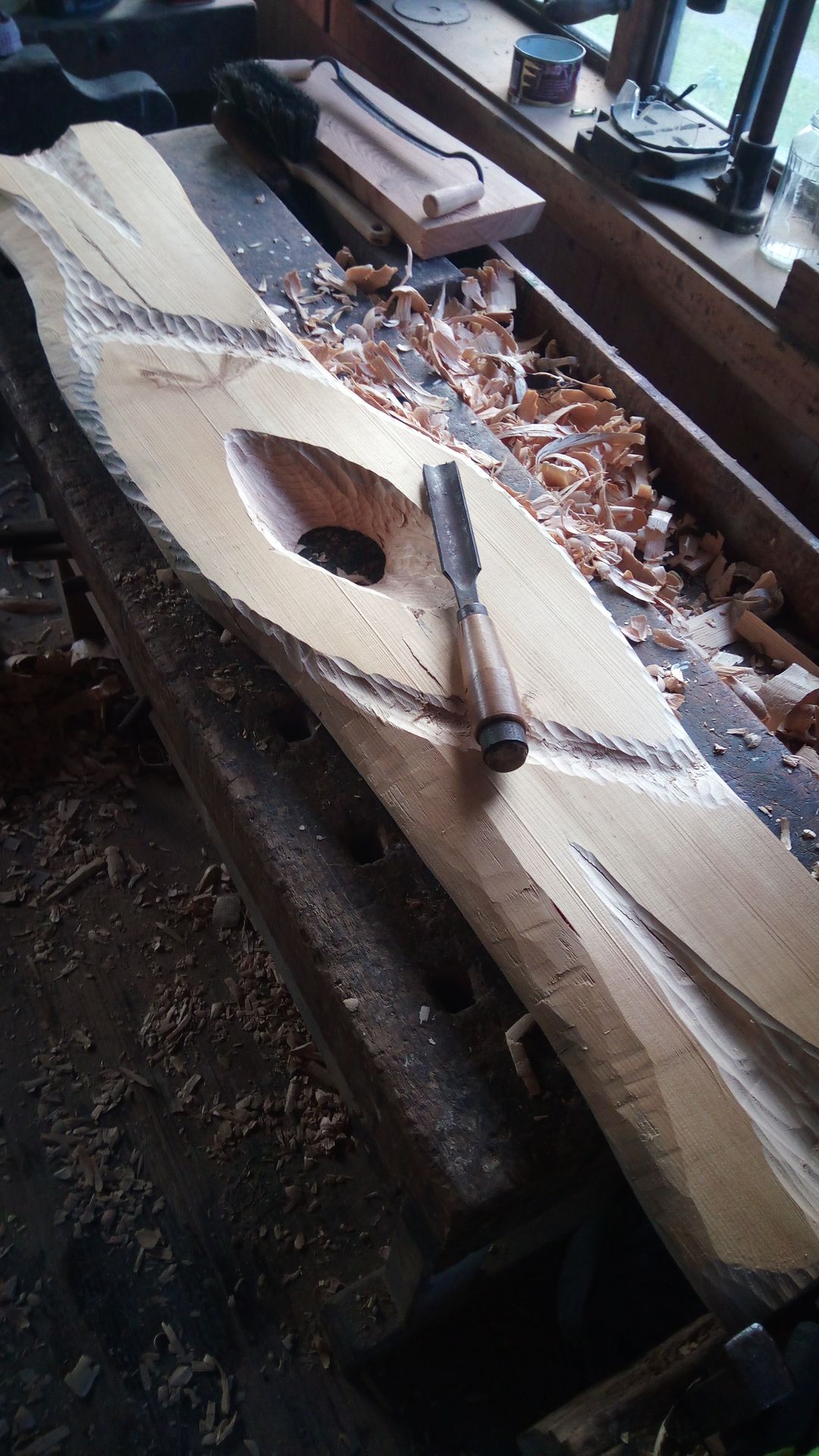

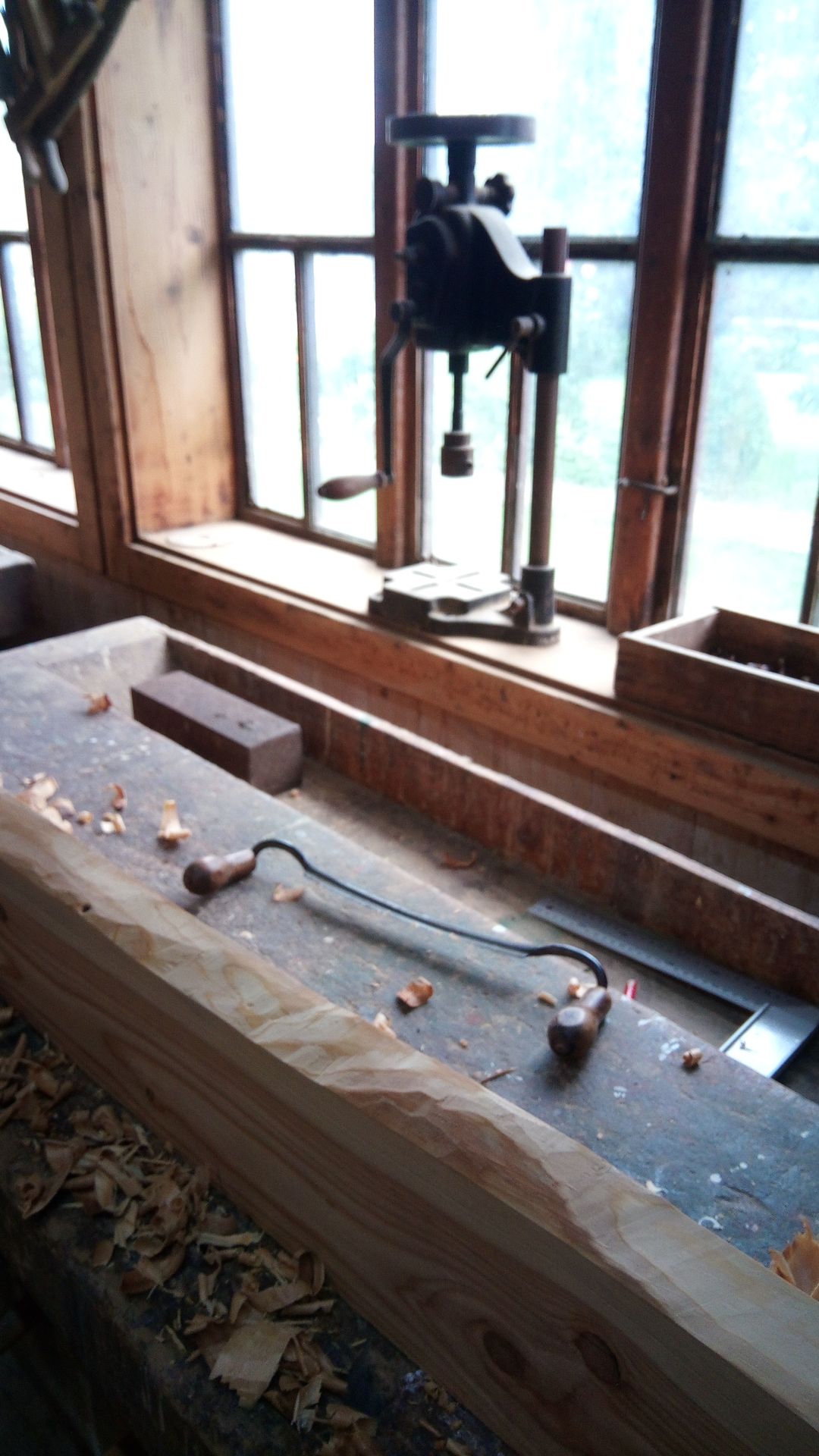

With every such project, I try to use the original tools as well – old planes and saws that have remained here. Not because it would be more practical, but because I enjoy combining new wood with old tools, simply as a reminder of the past. I also make traditional longbows, my own arrows, and unusual chess sets from dwarf pine roots combined with stone. For me, they are symbols of different worlds and uneven sides that nevertheless meet on a single playing board.
Both make sense to me – each in its own way.
"And I am glad that I have a place where I can sometimes remind myself where I come from and who I am."

Ing. Lubos RODANIC
If you ever feel like making something yourself, feel free to reach out and I will be happy to show you this place. All it takes is a piece of wood, a little time and the willingness to try.